Exclusive gin deals, for new members

The Gin Fizz: Effortless Effervescence and the Art of Silky Balance
A refined look at the Gin Fizz—its history, texture, and craft. Explore this elegant classic through the Mekong Gin Society’s expert, gin-focused lens
GIN COCKTAIL RECIPESHOME MIXOLOGYCOCKTAILS & MIXOLOGY
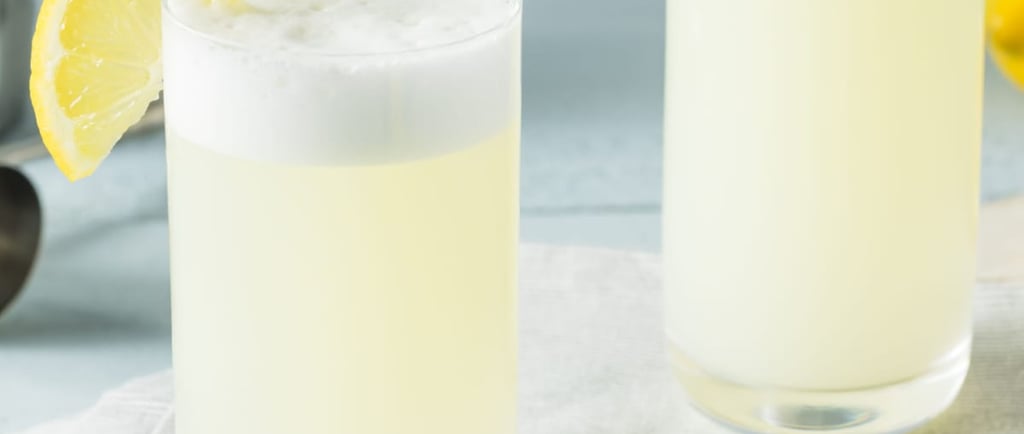
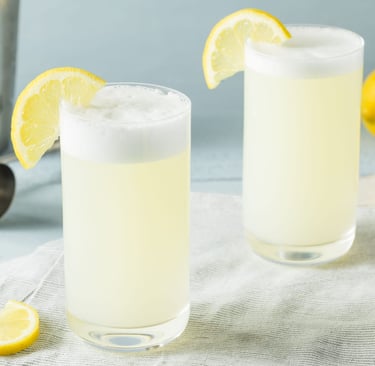
The Classic Gin Fizz
There are cocktails that refresh, cocktails that impress, and then there are cocktails that lift. The Gin Fizz has always belonged to the final category — a bright, airy, softly sparkling expression of gin that manages to feel both classic and contemporary at once. For members of the Mekong Gin Society, where appreciation runs deeper than simple enjoyment, the Gin Fizz offers an intriguing study in texture, balance, and precision. Light on the palate yet rich in craft, it continues to captivate home bartenders and connoisseurs who understand the beauty of refinement.
What makes the Gin Fizz so compelling is its ability to evolve the moment it meets the glass. A Collins may refresh with its tall, citrus-forward simplicity, but a well-executed Gin Fizz introduces something more intimate: the silky protein froth, the gentle sparkle, the tactile softness that clings to the rim like a promise. It is a cocktail built entirely on contrast — sharp citrus and delicate texture, botanical complexity and airy effervescence — yet nothing feels out of place. It is, simply put, a masterclass in balance.
A Brief but Essential History
While many classic gin cocktails emerged from hotel bars, gentlemen’s clubs, or London haunts, the Gin Fizz’s story begins in 19th-century America. By the 1870s, soda fountains and saloons alike prized the Fizz family for its refreshing, effervescent character. New Orleans bartenders adopted it early, championing the drink for its restorative qualities and its easy compatibility with the era’s lighter, more aromatic gins.
The earliest published references appear in the late 1800s, with bartenders shaping the drink into a quieter counterpart to heavier gin punches. Over time, the Gin Fizz cemented its place within the developing canon of classic gin cocktails, particularly during the golden age of carbonated drinks. Unlike the Ramos Gin Fizz — an ornate sibling requiring stamina and teamwork — the standard Gin Fizz remains elegant in its simplicity: a measured shake, a clean pour, and a crown of natural foam.
Ingredients & Rationale
Below is the preferred specification for a Gin Fizz tuned to the palate of the Mekong Gin Society — crisp, aromatic, and botanically expressive.
Ingredients:
• 60 ml (2 oz) citrus-forward gin — Recommended: a Southeast Asian–influenced gin with kaffir lime, coriander, or lemongrass. These flavours elevate the brightness and emphasize gin’s botanical profile.
• 25 ml (0.85 oz) fresh lemon juice
• 20 ml (0.7 oz) simple syrup
• 1 fresh egg white (optional but essential for classic texture)
• Soda water to top
• Ice
Why these choices work:
A bright, citrus-driven gin mirrors the cocktail’s fresh, vibrant structure. Southeast Asian botanicals align beautifully with the sharpness of lemon, creating clarity rather than competition.
Egg white provides the silken top and luxurious mouthfeel the Gin Fizz is known for.
A balanced sweetness level helps stabilize the foam while allowing the gin to shine.
This is a drink where proportion is everything — too much sweetness dulls the structure, too much citrus overwhelms it, and the wrong gin can flatten the entire composition.
Service & Presentation
A Gin Fizz’s beauty lies in its texture, so the method must be deliberate.
Add gin, lemon juice, syrup, and egg white to a shaker.
Dry shake vigorously for at least 10–12 seconds to build the protein structure.
Add ice and wet shake for another 10–12 seconds until the tin frosts.
Double strain into a chilled Collins glass without ice.
Top gently with cold soda water.
The head should rise naturally — creamy, soft, and stable — forming the cocktail’s signature silky cap. There is no need for elaborate craft cocktail garnishes; the drink’s minimalism is its statement. A thin strip of lemon zest may be added for aroma, but restraint is part of the tradition.
The textural contrast between the airy foam and the brisk, sparkling body embodies the finesse often admired in balanced stirred drinks, even though this cocktail is vigorously shaken.
Interesting Notes & Lesser-Known Facts
New Orleans once made the Gin Fizz a citywide obsession. In the early 20th century, certain bars were known for producing hundreds a day, earning the drink a regional cult following long before the Ramos variation took the spotlight.
The Fizz family was deeply tied to soda fountain culture, where effervescence symbolized modernity and health. This connection helped the Gin Fizz survive periods where spirit-forward cocktails fell out of fashion.
These details reveal how the Gin Fizz adapted across eras while retaining its identity — a quality that keeps it relevant among contemporary enthusiasts exploring herbal liqueurs in mixology and other nuanced trends.
Conclusion
For all its elegance, the Gin Fizz invites mastery rather than intimidation. It demonstrates how texture, proportion, and botanical nuance can create a cocktail that feels timeless without ever becoming predictable. For Mekong Gin Society members, it offers a reminder that true craft often lives in simplicity — in the way lemon meets gin, in the rise of foam, in the quiet sparkle of soda water binding everything together.
Whether explored as a historical artifact, a technical exercise, or a refreshing pleasure at the end of a humid Southeast Asian day, the Gin Fizz stands as one of the simplest and most beautiful expressions of the art of gin
Contact
Phone
campbell@mekongginsociety.com
+85586458981
© 2025. All rights reserved. Mekong Gin Society
Telegram